

Online Arabic Language Classes – Build Your Arabic Skills

Learning Arabic can open new opportunities for communication, cultural understanding, and Quranic study. However, unfamiliar letters, pronunciation differences, and new grammatical structures can make the first steps feel challenging.

Online Arabic Language Classes provide structured instruction for students who want to develop their Arabic reading, writing, vocabulary, and language comprehension.

Whether you’re starting with the alphabet or building on previous knowledge, guided lessons can help you develop skills gradually.

The course can support different learning interests, including understanding Quranic Arabic, improving general language knowledge, and developing a foundation for further study.

🕋 Ijazah Certified ⭐ 10+ Years Teaching 🌎 Students in Canada & USA 📅 Weekend Slots Available

Who This Is For

This course is suitable for learners with different backgrounds and objectives.

  • Complete beginners who want to recognize and pronounce Arabic letters.
  • Adults interested in learning a new language.
  • Students who want to improve Arabic reading and writing.
  • Quran learners interested in understanding Arabic vocabulary.
  • Learners developing grammar skills for more accurate comprehension.
  • Returning students who want to refresh previous knowledge.

Students interested in everyday conversation should clarify whether the available instruction covers Modern Standard Arabic, a regional dialect, or both.

How Classes Work

Your Arabic Language Journey — Step by Step

Step 1: Identify Your Language Goals

The learning process begins by considering your existing Arabic knowledge and the skills you want to develop.
Some learners prioritize Quranic vocabulary, while others focus on general reading, writing, or communication.

Step 2: Build Foundational Skills

Beginners can start with Arabic letters, vowel marks, basic pronunciation, and common words.

Step 3: Introduce Grammar and Sentences

As students progress, lessons introduce basic grammatical structures and practical examples.

Step 4: Practice Reading and Language Use

Students apply new vocabulary and grammar through reading exercises, writing activities, and suitable listening or speaking practice.

Step 5: Review and Develop Confidence

Regular revision helps reinforce new concepts and identify areas needing further attention.

What Makes Our Approach Different:

  1. We don’t rush. 30-minute focused sessions beat 1-hour unfocused ones.
  2. Every mistake gets corrected immediately — not at the end of class.
  3. You recite in every single class — no passive listening.
  4. We track your progress so you always know where you stand

What You Will Learn

Our Online Arabic Language Classes focus on developing useful language skills through progressive instruction.

Arabic Alphabet and Pronunciation: Learn the 28 Arabic letters, their different written forms, and how they connect within words. Practice sounds that may be unfamiliar to English speakers, including ع (Ayn), ح (Ha), and ق (Qaf).

Arabic Reading Skills: Begin with short words and simple sentences before progressing to longer passages. Students learn how vowel marks and letter combinations affect pronunciation.

Arabic Writing: Writing lessons introduce letter formation, connected script, and basic sentence construction. Students practice recognizing and writing words accurately.

Vocabulary Development: Build vocabulary related to familiar subjects, everyday activities, and learning goals. Students interested in Quranic Arabic may focus on commonly occurring Quranic expressions.

Basic Arabic Grammar: Important concepts include:

  • Ism: Nouns and related nominal forms.
  • Fi’l: Verbs and their forms.
  • Harf: Particles and their functions.
  • Mubtada and Khabar: Components of nominal sentences.
  • Singular, dual, and plural forms: Number-related grammatical patterns.
  • Pronouns: Words used to refer to people or things.

Grammar is introduced through examples to help students understand its practical use.

Quranic Arabic and Modern Standard Arabic: Quranic Arabic focuses on the vocabulary and structures found in the Holy Quran. Modern Standard Arabic is commonly used in formal communication, education, writing, and media. Although the two share substantial linguistic foundations, the most suitable course depends on your goals.

Meet Your Teacher

An effective Arabic instructor should explain pronunciation and grammar clearly while adapting lessons to your learning level.
Look for relevant Arabic language qualifications, teaching experience, and an instructional approach suited to beginners or continuing learners.

/learn-quran-for-beginners-guide

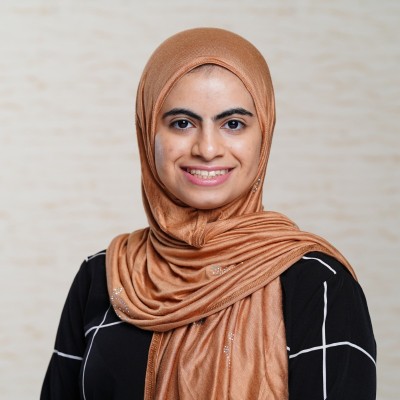
Saad — Founder, Raza E Elahi Islamic Institute

I have been teaching Tajweed and Quran recitation since 2015 and moved to online teaching in January 2019. Over the past decade I have taught students from complete beginners who had never opened the Quran, to advanced students preparing for Ijazah. My approach is simple: I meet you where you are, correct what needs correcting, and move at a pace that works for you — not for a syllabus.

Credentials:

  • Ijazah from Wifaq Ul Madaris — one of the most recognized Islamic certification bodies in the world
  • Ijazah from AAS Academy, Lahore
  • 10+ years teaching Tajweed and Quran recitation
  • Students currently enrolled from USA, Canada, UK, and Pakistan

“A teacher with Ijazah means their chain of transmission goes back to the Prophet صلى الله عليه وسلم through an unbroken line of teachers. This is how Tajweed has been preserved for 1,400 years.”

Pricing

Pricing That Works for You

We believe the cost of Islamic education should never stop someone from learning. That is why we don’t have fixed packages.

Starting from $30/month: Your plan is built around your schedule and budget — whether that’s 2 classes a week or 4. We discuss what works for you after your free trial.

Trial
3 classes — completely free
Frequency
2–5 classes per week
Session length
30 minutes
Format
1-on-1 (group available on request)
Starting price
From $30/month
Schedule
Flexible — weekends available

No contracts. No upfront payment. Start with the free trial and decide from there.

What Our Arabic Language Students Say

Yasmeen Shalab
Yasmeen Shalab
New Jersey, United States
I had an enriching experience attending Quran classes with Raza E Elahi Islamic Institute. During these sessions, I've memorized an additional 7 pages and delved deeply into their meanings. These classes taught me discipline, deepened my understanding, and fostered a commitment to continuous learning.

Zainab
Zainab
Mississauga, Ontario, Canada
Saad is a very good teacher. He's patient and he explains the meaning and significance of the Surahs.

Salman Mukhtar
Salman Mukhtar
Canada
This is well organised and the teachers are very patient and supportive. It is a good place to learn hifdh and basics of recitation
Yusuf K
Yusuf K
Canada
Very helpful staff, they will help you regardless of your stage and very willing to teach you as long as you have a student mentality

How to Improve Your Arabic Between Lessons

Language learning becomes more effective when students practice regularly.

Begin by reviewing the alphabet and unfamiliar pronunciation sounds.

Keep a vocabulary notebook with example sentences rather than memorizing isolated words alone.

Read short passages suited to your level and revisit grammar concepts introduced during class.

Listening to suitable Arabic recordings can also help reinforce pronunciation and comprehension.

For speaking practice, use familiar phrases and gradually build longer sentences.

The most important habit is maintaining a realistic routine that allows you to review and apply what you learn.

Conclusion: Build a Strong Foundation in Arabic

Arabic learning requires patience, practice, and gradual exposure to new vocabulary and grammar.

Online Arabic Language Classes provide an accessible way to develop reading, writing, pronunciation, and comprehension skills through structured lessons.

Whether your goal is Quranic understanding or broader language development, consistent learning can help you build confidence over time.

Learn Quran And Visit Raza E Elahi For More Courses.

Common Questions About the Arabic Language Course

Can I learn Arabic without previous experience?

Yes. Beginners can start with the alphabet, basic pronunciation, and simple vocabulary.

Yes. Quranic Arabic focuses on the language of the Quran, while conversational Arabic may involve Modern Standard Arabic or regional spoken dialects.

Progress depends on your goals, previous knowledge, lesson frequency, and practice.

These are foundational skills commonly included in Arabic language instruction. Confirm the exact curriculum before enrollment.

Yes. Adults can begin learning Arabic at any stage through lessons matched to their goals and experience.

Begin Your Arabic Learning Journey

Explore Online Arabic Language Classes and take the next step toward improving your reading, writing, vocabulary, and understanding of Arabic.

Book your trial lesson today and start building your Arabic language skills.